



Planning Meals for the Elderly: Comfort & Nutrition Prioritized

Planning meals for the elderly works best when you keep it simple: build comfort into every plate while meeting daily protein, fiber, fluids, and key nutrient needs. Whether you’re an older adult, an adult child, or a caregiver, the goal is the same—meals that are easy to eat, satisfying, and supportive of long-term health.
At MD Senior Living in Scottsdale, Arizona, we focus on meals that feel familiar and enjoyable while supporting wellness—because food should be something you look forward to.
Need help supporting a loved one’s nutrition routine? Call 480-418-9150 to talk with our team or learn what daily life looks like in our assisted living home.
Understanding nutrition needs after 65
A practical diet plan for old age above 65 doesn’t require complicated rules. It focuses on “more of what helps” and “less of what hurts,” especially when appetite, digestion, and thirst cues change with age.
Here’s what to prioritize:
- Protein at each meal (supports strength and recovery): fish, eggs, yogurt, beans, lentils
- Fiber daily (supports digestion and heart health): vegetables, berries, oats, beans, whole grains
- Calcium + vitamin D foods (supports bone health): dairy, fortified foods, leafy greens
- Fluids all day (supports energy and clearer thinking): water, soups, smoothies, herbal tea
- Lower added sugar + sodium when possible (supports heart health)
For evidence-based guidance, many families reference reputable resources like the National Institute on Aging’s nutrition hub on healthy eating and meal planning, USDA MyPlate tips for older adults, and the CDC’s healthy eating guidance (helpful for simple, balanced choices).
At MD Senior Living, we also recognize that needs can vary widely. That’s why regular nutritional assessments matter—they help spot gaps (or excesses) early and support personalized care.
What this means for seniors
If you’re thinking, “I don’t eat much anymore,” you’re not alone. The strategy is nutrient-dense foods in smaller portions—more protein, more produce, more hydration, and fewer “empty calories.”
Top meal planning tips that actually make life easier
The best meal plan is the one you can keep. Use these simple habits to reduce stress and improve consistency:
- Create a “repeatable” weekly template (ex: oatmeal on Mon/Wed/Fri, soup nights twice weekly)
- Plan 2–3 easy proteins for the week (baked salmon, rotisserie chicken, lentil soup)
- Use shortcut produce (pre-washed greens, frozen vegetables, pre-cut fruit)
- Cook once, eat twice (make extra soup, chili, or quinoa for leftovers)
- Keep “backup meals” on hand (frozen meals with protein + veggies, low-sodium broth, canned beans)
This approach pairs well with a simple meal plan for seniors at home, especially when cooking energy is limited.
Proper nutrition plays an essential role in healthy aging—supporting strength, immune function, and day-to-day energy.
Nutritious comfort foods seniors tend to enjoy
Comfort matters. Familiar foods can increase appetite and reduce mealtime anxiety—especially when someone is adjusting to new routines or experiencing memory changes.
Comfort-forward, nutrient-rich options include:
- Hearty vegetable soup (add beans or shredded chicken for protein)
- Oatmeal with berries + nut butter (fiber + healthy fats)
- Baked fish with soft-cooked vegetables (easy to chew, nutrient-dense)
- Greek yogurt with fruit (protein + calcium)
- Eggs with spinach and tomatoes (quick, high-protein)
It’s also important to remember that nutrient absorption decreases with age, so choosing foods rich in vitamins and minerals is a smart daily habit.
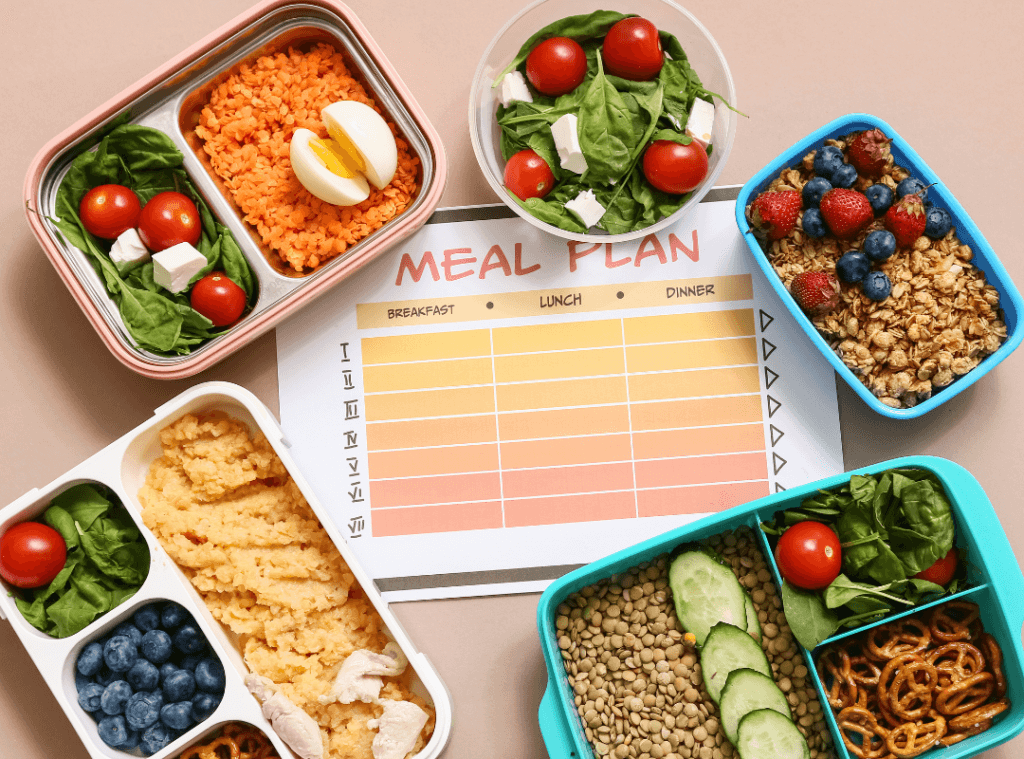
A practical 7-day meal plan for the elderly
Below is a flexible 7-day meal plan for the elderly. Swap meals as needed to match taste, chewing ability, and appetite.
Day 1
- Breakfast: Oatmeal + berries
- Lunch: Chicken vegetable soup + soft whole-grain roll
- Dinner: Baked salmon + quinoa + steamed carrots
- Snack: Yogurt
Day 2
- Breakfast: Vegetable omelet
- Lunch: Tuna or chickpea salad + sliced tomatoes
- Dinner: Turkey chili (mild) + side salad
- Snack: Banana + peanut butter
Day 3
- Breakfast: Smoothie (milk/yogurt + fruit + spinach)
- Lunch: Lentil soup + fruit cup
- Dinner: Baked chicken + mashed sweet potato + green beans
- Snack: Cottage cheese
Day 4
- Breakfast: Yogurt parfait (granola + fruit)
- Lunch: Quinoa salad (cucumber, bell pepper, lemon)
- Dinner: Soft pasta + marinara + sautéed spinach
- Snack: Nuts or applesauce
Day 5
- Breakfast: Scrambled eggs + avocado toast
- Lunch: Broth-based soup + sandwich half
- Dinner: Fish tacos (soft tortilla) + slaw
- Snack: Hummus + crackers
Day 6
- Breakfast: Overnight oats
- Lunch: Chicken salad + fruit
- Dinner: Stir-fry veggies + tofu or shrimp + rice
- Snack: Dark chocolate square + berries
Day 7
- Breakfast: Pancakes + yogurt
- Lunch: Leftover soup or chili
- Dinner: Comfort bowl (protein + veggie + grain)
- Snack: Herbal tea + toast
Want more guidance? This article on antioxidants and fiber is a helpful refresher on why plants matter for digestion and overall health.
7-day meal plan for the elderly with dementia: gentle adjustments
A 7-day meal plan for the elderly with dementia often works best with predictable routines and easy-to-manage foods. Consider:
- Same breakfast daily (less decision fatigue)
- Finger foods (sandwich quarters, egg muffins, soft fruit, cheese cubes)
- Smaller, more frequent meals if full plates feel overwhelming
- Hydration prompts (small cups offered often; soups and smoothies count)
- Calm environment (reduce distractions; sit upright; allow extra time)
Reputable caregiver guidance is available through Alzheimer’s-focused resources, including meal and eating tips from the Alzheimer’s Association, and caregiving nutrition suggestions from the National Institute on Aging.
Safety note: If weight loss, choking risk, or swallowing issues appear, talk with a clinician promptly. If supplements are suggested, confirm with a healthcare professional first—especially if your loved one takes medications or has chronic conditions.
Hydration: the “hidden” piece of meal planning
Older adults may not feel thirsty as often, but hydration still affects energy, digestion, mood, and thinking. Build hydration into the day:
- Water or herbal tea with every meal and snack
- Broth-based soups a few times per week
- Smoothies with fruit + yogurt or milk
- Infused water (citrus, cucumber, berries)
To maintain vitality, it also helps to follow a balanced diet that supports active aging.
How MD Senior Living supports daily routine and well-being
Meal planning isn’t only about nutrients—it’s also about routine, connection, and confidence. At MD Senior Living, residents can enjoy a supportive community lifestyle with activities that complement healthy habits, including daily walks, gardening, cooking classes, exercise classes, senior yoga, dance classes, art classes, trivia, bingo, puzzles, and card games. Families can also stay connected through one-touch video chat and shared photos/videos via the iN2L system, helping mealtimes feel more familiar and socially supported.
We also value purpose and connection through opportunities like Bible study and worship services, as well as ways to give back through mentoring or volunteering with local charities.
(Explore more about our community offerings here: https://mdseniorliving.com/activities/)
Comfort-first meals that support healthy aging
When planning meals for the elderly, the most effective approach is calm and consistent: focus on simple proteins, colorful produce, fiber, and fluids—then build comfort and routine around foods they truly enjoy. With the right structure, meals can become a daily source of strength, joy, and connection.
Want support with nutrition, routine, and daily life in assisted living? Call 480-418-9150 to speak with MD Senior Living, or explore MD Senior Living and schedule a tour here: Schedule a Tour.
Frequently Asked Questions
What is a good meal plan for the elderly?
A good meal plan for the elderly focuses on balanced nutrition, including lean protein, whole grains, fruits, vegetables, and healthy fats. Meals should be easy to chew and digest while still providing enough calories and nutrients to support energy and muscle strength. Hydration is also essential, so include fluids like water, soups, and herbal teas throughout the day. A consistent meal schedule helps support digestion and blood sugar stability. Personal preferences, cultural foods, and medical needs should always be taken into account.
What is the 3-3-3 rule of eating?
The 3-3-3 rule of eating generally refers to having three balanced meals a day, spacing them about 3 hours apart, and stopping eating at least 3 hours before bedtime. This approach can help regulate blood sugar levels and support better digestion. For older adults, it may also reduce discomfort such as acid reflux or indigestion. The rule encourages mindful eating and portion control rather than skipping meals. Adjustments may be needed based on individual health conditions or dietary requirements.
How to prepare meals for the elderly?
Preparing meals for the elderly starts with choosing nutritious ingredients that are easy to prepare and eat. Cooking methods such as baking, steaming, slow cooking, or sautéing help preserve nutrients while keeping foods soft and flavorful. Meals should be well-seasoned without excessive salt or sugar to support heart health. Batch cooking and freezing portions can save time and ensure consistent access to healthy meals. Paying attention to food safety and proper storage is also important.
What factors should be considered when planning meals for the elderly?
When planning meals for elderly individuals, it is important to consider medical conditions such as diabetes, heart disease, or swallowing difficulties. Appetite changes, taste sensitivity, and dental health can all affect food choices. Nutritional needs may shift with age, making protein, calcium, fiber, and vitamins especially important. Budget, cooking ability, and access to groceries should also be considered. Involving the older adult in meal planning helps improve satisfaction and consistency.

Your 2026 Guide to Senior Care Services in Arizona
Family Guide about Skilled Nursing Facility in Phoenix, AZ

Arizona Assisted Living: Safety, Care, and Comfort Tips

Leave a Comment