



Senior Wellness Starts Strong at MD Senior Living

Aging does not mean slowing down. At MD Senior Living, senior wellness is about helping older adults stay active, connected, and confident every single day. Assisted living plays a decisive role in supporting both physical and emotional health by offering personalized care, social opportunities, and safety-focused environments designed specifically for seniors.
This guide walks you through how assisted living supports health and wellness for the elderly, why personalized care matters, and how community living can improve daily life. Consider this the complete guide to senior health and wellness for families exploring better options for themselves or their loved ones.
For more information, visit our website at https://mdseniorliving.com/.
The Role of Assisted Living in Supporting Senior Health
Assisted living communities serve as a safety net for aging adults who want independence without sacrificing support. At MD Senior Living, senior wellness begins with proactive health monitoring and compassionate care. Trained staff observe daily routines and notice changes early, helping prevent small concerns from becoming bigger health issues.
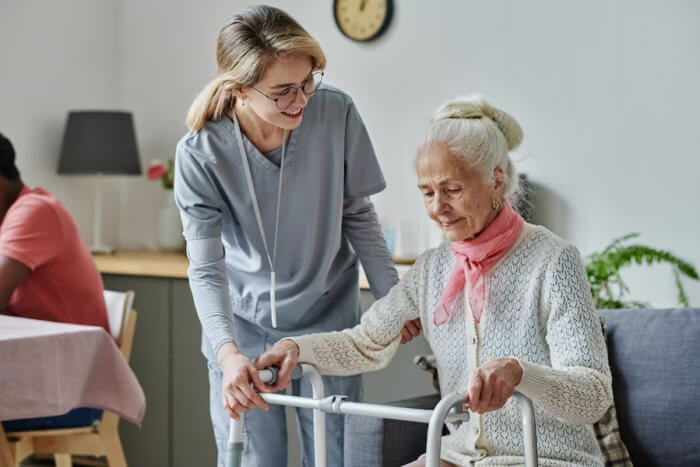
Beyond medical support, assisted living encourages social interaction and movement. Daily programs, group activities, and gentle senior wellness exercises keep residents physically active and mentally engaged. This balanced approach supports long-term health and wellness for the elderly, helping seniors feel secure, capable, and involved in their own care.
Assisted living also provides holistic benefits that support physical, emotional, and mental well-being, making it easier for seniors to thrive in a structured yet flexible environment.
Top Health Benefits of Assisted Living for Seniors
Many seniors hesitate at first, but the benefits of assisted living quickly become clear. Communities focused on senior wellness are designed to remove stress while promoting healthier daily habits.
Key health benefits include:
- Ongoing wellness checks and professional support
- Balanced meals that support health tips for the elderly and seniors
- Built-in opportunities for movement and senior wellness exercises
- Reduced isolation through daily social engagement
- Safer living environments that lower fall risk
Studies show that seniors often achieve better outcomes in assisted living than when living alone. Research highlighted in this article explains why seniors often experience better health when supported by structured care and community.
Personalized Care Plans Tailored for Seniors
One of the strongest foundations of health and wellness for the elderly is individualized care. At MD Senior Living, no two care plans are the same. Each resident receives personalized support based on their lifestyle, medical needs, and wellness goals.
Care plans include:
- Detailed health assessments and medical history reviews
- Customized daily assistance while promoting independence
- Adjustments as health needs evolve
- Specialized memory care support when needed
- Ongoing communication with families
This tailored approach supports dignity and confidence while reducing stress for families. Memory care communities also help reduce caregiver stress by providing expert support and a stable routine.
How Socialization in Assisted Living Enhances Well-Being
Social connection is a major part of senior wellness. Loneliness can negatively affect both mental and physical health, which is why assisted living emphasizes community engagement. Group activities encourage friendships, laughter, and shared experiences that keep minds sharp.
Residents benefit from:
- Daily group programs and events
- Cognitive stimulation through games and learning
- Emotional support from peers and staff
- Increased motivation to stay active
With help handling daily tasks, residents have more time to focus on meaningful relationships. Assisted living provides assistance with daily living activities, helping seniors build stronger social bonds and improve overall health and wellness.
Must-Have Safety Features in Assisted Living
Safety is essential to long-term senior wellness. Assisted living communities are designed to reduce risk while maintaining independence. These features help residents feel secure and confident in their daily routines.
Important safety elements include:
- Emergency call systems
- Non-slip flooring
- 24-hour trained staff
- Secure entry points
- Routine safety evaluations
Facilities regularly review key protocols and features to maintain safe environments that protect residents at all times.
Emergency Call Systems
Emergency call systems allow residents to reach trained staff instantly. These systems support emergency preparedness while encouraging independence.
Benefits include:
- Immediate access to assistance
- Faster emergency response times
- Increased confidence for residents
- Peace of mind for families
Non-Slip Flooring
Non-slip flooring is critical for fall prevention and mobility support. These surfaces reduce accidents and help seniors move safely throughout the community.
| Flooring Benefit | Why It Matters |
| Reduces falls | Supports safer movement |
| Improves confidence | Encourages independence |
| Easy maintenance | Keeps living spaces clean |
24-Hour Staff Availability
Around-the-clock staff presence ensures residents receive immediate help when needed. This ongoing support strengthens health tips for the elderly and seniors by promoting consistent care, quick response, and emotional reassurance.

Nutrition and Meal Planning for Optimal Senior Health
Nutrition is a cornerstone of senior wellness. Assisted living communities provide meals designed to meet dietary needs while still being enjoyable. Proper nutrition supports energy, immune health, and the management of chronic conditions.
Meal planning often includes:
- High-fiber breakfasts
- Lean protein lunches
- Nutrient-rich dinners
- Healthy snacks
- Consistent hydration
For additional guidance, the National Institute on Aging offers helpful resources on healthy eating for older adults, and the CDC Healthy Aging page highlights wellness strategies that support longevity.
How to Talk to Family About Assisted Living
Discussing assisted living can feel emotional, but open communication helps families make informed decisions. Focus on how senior wellness improves through safety, support, and social engagement.
Helpful conversation tips:
- Listen with empathy
- Share health tips for the elderly and seniors
- Explain daily support benefits
- Highlight independence and dignity
- Encourage family questions
For broader guidance, organizations like AARP offer resources to help families navigate senior care decisions.
Ready to Elevate Senior Wellness? Call MD Senior Living Today
Choosing the right assisted living community is about more than care. It is about confidence, comfort, and connection. At MD Senior Living, senior wellness is woven into every aspect of daily life, from personalized care plans to engaging activities and nutritious meals.
If you want a community that truly supports health and wellness for the elderly, now is the time to take the next step. Call us today at 480-418-9150 or schedule a tour and discover how MD Senior Living helps seniors live healthier, happier lives every day.
Frequently Asked Questions
What are five foods that seniors should eat?
Seniors benefit from foods that support heart health, digestion, and muscle strength. Leafy green vegetables like spinach provide essential vitamins and minerals. Fatty fish such as salmon offer omega-3 fatty acids that support brain and heart health. Whole grains help with digestion and sustained energy, while berries provide antioxidants that support immune function. Lean proteins like eggs or beans help maintain muscle mass as the body ages.
What are the seven dimensions of wellness for seniors?
The seven dimensions of wellness for seniors include physical, emotional, social, intellectual, spiritual, environmental, and occupational wellness. Physical wellness focuses on staying active and managing health conditions. Emotional wellness supports mental health and stress management, while social wellness encourages meaningful relationships. Intellectual and spiritual wellness help seniors stay mentally engaged and find purpose, and environmental and occupational wellness support safety, comfort, and a sense of contribution.
What is the most requested support service for the elderly?
Personal care assistance is one of the most requested support services for the elderly. This includes help with daily activities such as bathing, dressing, and mobility. Many seniors also seek medication management to ensure safety and consistency. Companionship services are highly valued as well, helping reduce loneliness and improve overall quality of life.
What should a 70-year-old be doing every day?
A 70-year-old should aim to stay physically active each day through walking, stretching, or light exercise. Maintaining a balanced diet and staying hydrated are also essential daily habits. Mental engagement through reading, puzzles, or hobbies helps support brain health. Regular social interaction and a consistent sleep routine contribute to emotional well-being and overall wellness.



Leave a Comment